Roadside inspections are a routine part of ensuring commercial drivers’ legal compliance. These inspections, conducted by Department of Transport (DOT) inspectors, assess commercial vehicles and drivers to ensure adherence to federal and state regulations.
While the process might seem daunting, proper preparation and understanding of inspection procedures can make a significant difference. From knowing the seven levels of DOT inspections to avoiding common violations, this guide provides essential tips to help you confidently navigate the inspection process and keep your operations running smoothly.
What is DOT Roadside Inspection?
A DOT roadside inspection is an official check of commercial motor vehicles and their drivers. The aim is to ensure compliance with safety regulations set by the Department of Transportation (DOT), maintain road safety, and prevent accidents. DOT inspectors, state troopers, or other designated government employees usually conduct DOT inspections.
Inspections may involve examining the driver’s credentials, a record of duty status, and the vehicle’s components, such as steering mechanisms, seat belts, windshield wipers, and windshield devices. Some checks focus on the driver, known as a driver-only inspection, while others may target the vehicle-only inspection or involve a thorough examination of the driver and their truck.
The North American standard Inspection involves several categories, from the overall check to specialized inspections. Inspectors may also conduct special inspections or assessments for research purposes.
Usually, inspections are conducted at truck stops, weigh stations, or on the side of the road. In particular, highway route controlled quantities (HRCQ) and radiological shipments may undergo enhanced NAS inspections due to their sensitive nature.
Passing DOT inspections requires truck drivers to ensure proper vehicle maintenance and up-to-date driver credentials. Successful results lead to a jurisdiction-specific decal indicating compliance. On the other hand, failing to meet requirements can lead to penalties or a compliance review by the Federal Motor Carrier Safety Administration (FMCSA).
Seven Levels of DOT Inspections
The levels of DOT inspections are based on the depth and focus of the inspection. Each level is designed to assess specific aspects of drivers and commercial vehicle safety alliance. Understanding these levels helps truck drivers prepare for DOT inspections and maintain constant DOT compliance. Staying informed and proactive is key to avoiding violations and ensuring a smooth inspection process.
Level I Inspection
The first level of the North American standard Inspection is the most comprehensive. It involves a detailed check of the driver’s credentials, record of duty status, and vehicle components, including lighting, brakes, steering mechanisms, and tires.
This check foressess the examination of both the driver and the truck.
Level II Inspection
The walk-around inspection is similar to the previous level, but it’s less detailed. Level II check involves a walk-around check of the vehicle. Inspectors assess the visible truck components without requiring physical entry under the truck.
Level III Inspection
A driver-only inspection focuses on the driver only. The inspector reviews documents such as the commercial driving license (CDL), record of duty status, Medical Examiner’s Certificate, and safety rating to ensure the driver’s compliance with regulations like hours of service.
Level IV Inspection
The special inspection is conducted for research purposes. It can involve investigating a suspected trend in violations or focusing on a particular item or issue.
Level V Inspection
Vehicle-only inspection mirrors Level I checks performed on the vehicle alone. It is commonly used for periodic inspections at a carrier’s location.
Level VI Inspection
This level involves enhanced NAS inspections for radioactive shipments. This is mandatory for radiological shipments or trucks carrying highway route-controlled quantities (HRCQ) of radioactive materials. It includes all Level I requirements, checks for radiological requirements, and GPS coordinates for tracking.
Level VII Inspection
This level refers to jurisdictional inspection. Specific to certain regions, this inspection applies to vehicles like school buses, special vehicles, or trucks shipping unique cargo. Level VII focuses on jurisdiction-specific decal requirements and adherence to regional regulations.
Steps to Follow During Roadside Inspections
Handling a DOT roadside inspection can make the process smoother and increase the chances of successfully passing. Follow these steps to demonstrate your commitment to safety and compliance.
Stay calm and professional. When approached by an inspector or enforcement officer, remain calm. Act professionally and avoid arguing; a cooperative attitude can set a positive tone for the inspection.
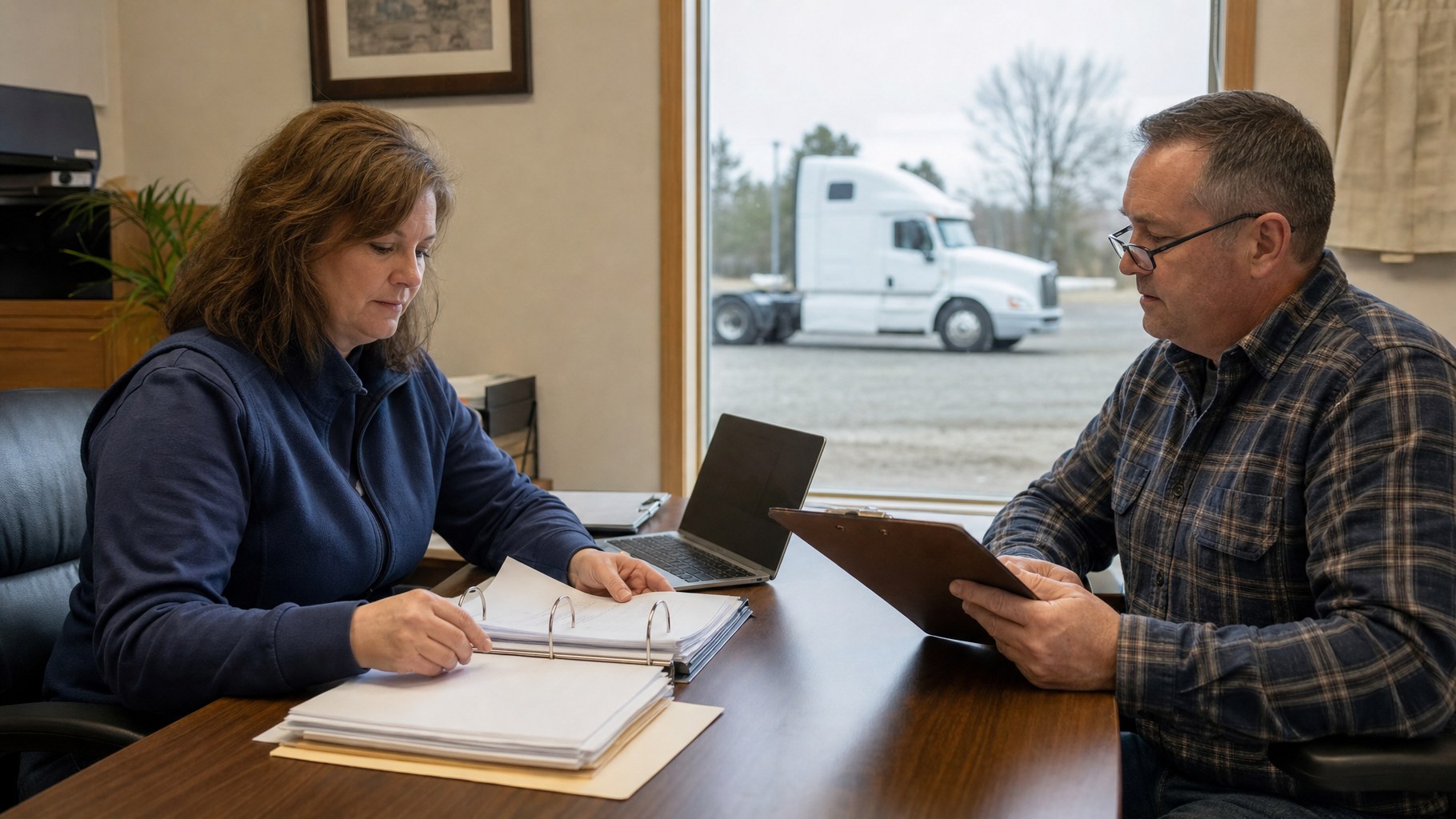
Present required documentation. Be prepared to provide your credentials, such as your CDL, Medical Examiner’s Certificate, and record of duty status. Ensure all documents are current and organized for quick access.
Allow the truck to be inspected. If a vehicle inspection is part of the process, assist the inspector by granting access to the necessary areas. These can include components like brakes, tires, steering mechanisms, and lighting devices.
Follow inspection procedures. Cooperate with the inspector as they conduct the procedures. Whether it’s a Level I inspection or a driver-only check, provide accurate answers and avoid withholding information.
Review the inspection report. Once the inspection is over, the inspector will provide a vehicle inspection report. Review it carefully to understand any violations or areas needing improvement. Keep a copy for your records and for follow-up actions if required.
Take immediate corrective actions if needed. If the inspection uncovers issues, address them promptly. This may involve repairing vehicle components or updating missing documentation. Swift action can prevent future complications and penalties.
Tips for Passing DOT Inspections
Preparing for DOT inspections ensures a smoother experience and minimizes the risk of violations. For example, you can follow our compliance guide to ensure you pass your next check.
Conduct regular pre- and post-trip inspections. Inspect your truck before and after every trip. Check critical vehicle components like brakes, tires, steering, and lighting devices to identify and resolve issues early.
Keep your documents organized. Ensure all required documentation, such as the CDL or Medical Examiner’s Certificate, is up-to-date and easily assessable.
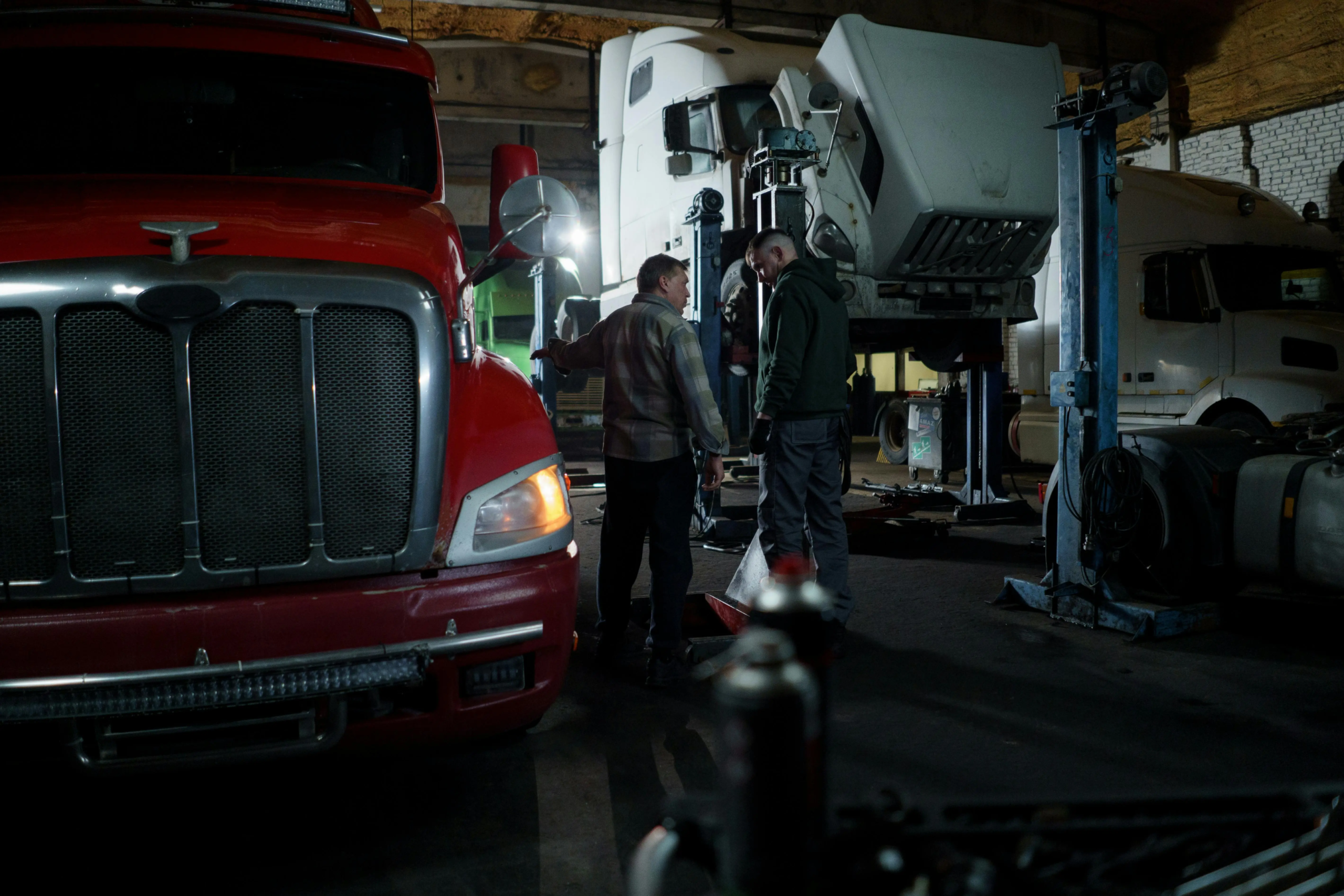
Maintain a well-maintained truck. A well-maintained commercial motor vehicle reduces the likelihood of triggering a more detailed inspection. Keep your truck clean and ensure visible components like mirrors, windshield wipers, and windshield are in good condition.
Be prepared for inspection levels. Understand the several levels of DOT inspections, and you’ll know what to expect.
Address maintenance issues promptly. Never delay fixing problems identified in previous vehicle inspections or routine checks. Compliance with regulations ensures safer operations and minimizes risk.
Monitor your hours of service. Stay compliant with duty status rules to avoid violations. Keep your logs accurate and current, reflecting actual hours worked.
Common Violations to Avoid
Knowing common violations that may occur is essential to maintaining DOT compliance. Proper preparation and compliance ensure a smoother inspection process and safer operations on the road.
Faulty or missing vehicle components are among the most cited violations. Issues with brakes, tires, lighting devices, and other truck components are among the most common. Regular maintenance can prevent these issues.
Incomplete or inaccurate documentation, missing credentials, and incorrectly completed vehicle inspection reports can result in immediate violations. Ensure your commercial driver’s license, medical certificates, and vehicle inspection report are current and correctly completed.
Hours of service violations, incorrect duty status logs, and exceeding maximum driving hours are also common errors. Use electronic logging devices (ELDs) to ensure accuracy and compliance.
Load securement or handling issues. Improperly secured cargo can lead to severe penalties. Ensure all loads are tightly fastened and meet securement standards. In addition, improper handling of hazardous materials, highway-regulated controlled quantities (HRCQ), or other regulated freight can lead to severe fines and penalties.
Poor vehicle maintenance. Ignoring small issues during post-trip inspections, such as worn windshield wipers, can result in violations.
Conclusion
Successfully passing roadside inspections is vital to any commercial driver’s work. Regular maintenance, meticulous documentation, and a professional approach during inspections ensure regulatory compliance and enhance safety for everyone on the road. By staying proactive and informed about DOT requirements, you can avoid common pitfalls, reduce downtime, and maintain a strong safety record. Remember, a successful inspection reflects your commitment to excellence and professionalism in the trucking industry.