
Trucking Industry News

How to Start a Trucking Company in 2026: One Truck, Step by Step
Starting a trucking company in 2026 is mostly a filing sequence, and the order matters more than the paperwork itself. A business entity comes first, then a tax ID, then federal registration in Motus, then a 20-day window in which your insurance and process agents have to be on file. After that come the drug […]
How to Start a Trucking Company in 2026: One Truck, Step by Step
Starting a trucking company in 2026 is mostly a filing sequence, and the order matters more than the paperwork itself. A business entity comes first, then a tax ID, then federal registration in Motus, then a 20-day window in which your insurance and process agents have to be on file. After that come the drug […]

Clearinghouse Queries: Pre-Employment, Annual and Limited
Registering in the Clearinghouse is the first half of the job. The second half is running queries, and that is the part carriers forget a year later. Every employer of a CDL driver has to query the Clearinghouse before a driver’s first safety-sensitive work and again at least once a year. If you run one […]

BMC-91X Filing: The Insurance Form That Holds Your MC Activation
Your MC application is in, FMCSA has given you a docket number, and the authority still says pending. In most cases the missing piece is the BMC-91X: the certificate your insurance company files with FMCSA to prove your liability coverage is in force. You cannot file it yourself, and FMCSA will not activate your authority […]

Trip and Fuel Permits: When a Trip Permit Replaces IRP and IFTA
A trip permit lets a truck run in a state where it has no IRP registration or IFTA license yet. A new carrier waiting on apportioned plates needs one. So does a carrier taking its first load into a state its cab card does not list. There are two separate permits for this: a trip […]

How to Apply for a USDOT Number Online in 2026: Motus Step by Step
New USDOT numbers and operating authority are now applied for online in Motus, FMCSA’s registration system, not in the old Unified Registration System (URS). FMCSA’s notice of April 29, 2026 says Motus becomes the unified registration system and the current URS will be disabled. Here is what to have ready, the application steps in order, […]

FMCSA Clearinghouse Registration for Owner-Operators, Step by Step
If you run your own truck under your own USDOT number, FMCSA treats you as two people in the Drug and Alcohol Clearinghouse: the employer and the driver. Both have to be registered, and a consortium or third-party administrator (C/TPA) has to be designated in your account before you can run a single query. Here […]
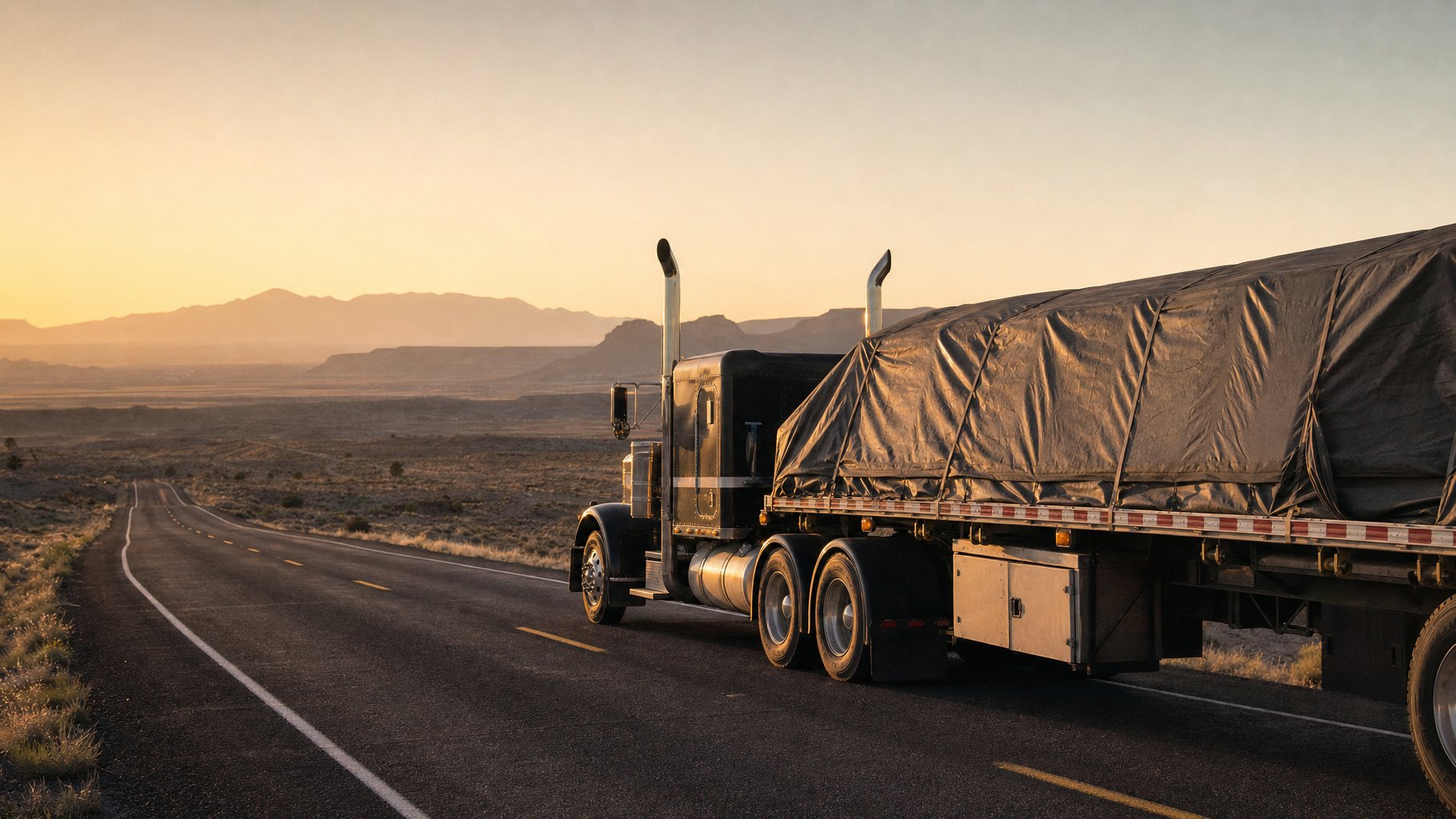
NY HUT, KYU, New Mexico and Oregon Weight-Distance Taxes: Who Owes What
New York, Kentucky, New Mexico and Oregon charge heavy trucks a tax based on the miles they drive inside the state. Each one runs its own registration, its own returns and its own credential, separate from your plates and your fuel tax license. Here is who owes each one, how it is calculated, how often […]

UCR 2027 Fees Are Final: The Full Table and the Deadlines
The 2027 Unified Carrier Registration fees are final. They were published on 1 September 2026, they take effect on 1 October 2026, and they are up by an average of about 20 percent. Registration for the 2027 year opens on 1 October 2026 and closes on 31 December 2026. Here are the actual numbers, what […]
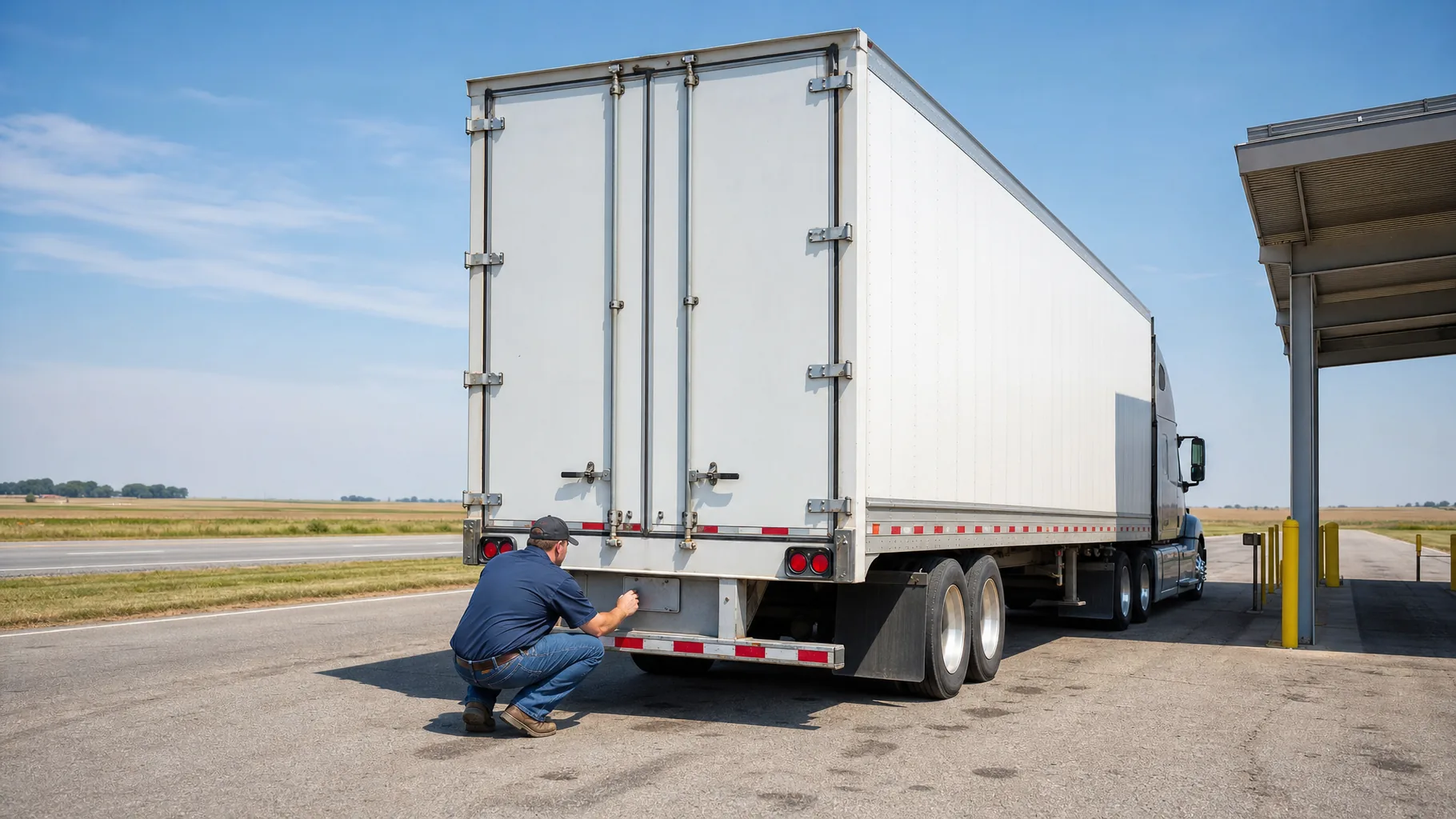
IRP Apportioned Plates: How the Cost Is Calculated
Apportioned plates confuse people because the bill does not look like a registration bill. You are not paying one state for one plate. You are paying your base state a single amount that it then divides among every jurisdiction you told it you would drive in, in proportion to the miles you said you would […]